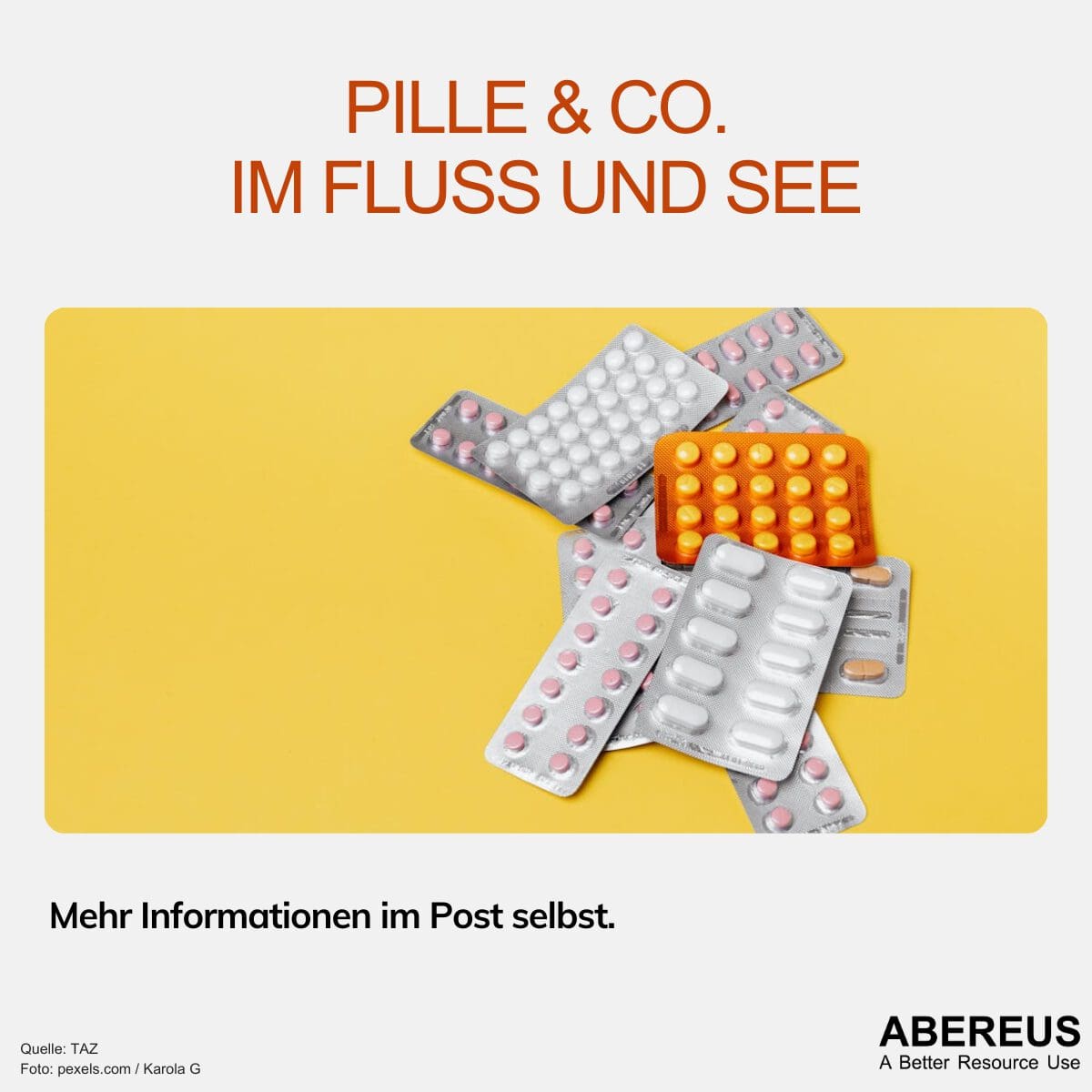
The pollution of waterways by contaminants in wastewater is increasing across Europe. Particularly problematic are residues from medications such as painkillers, antibiotics, and hormones. These enter rivers and lakes via the sewage system. These substances are difficult to break down biologically and can cause lasting damage to ecosystems. This ranges from impairing water quality to posing risks to fish and other living organisms.
The European Union is currently working on a new directive that will introduce stricter limits and better monitoring. Its aim is to significantly reduce pollution from industrial and pharmaceutical chemicals. The focus is also on so-called forever chemicals (PFAS), which are extremely long-lasting and accumulate in the environment.
For consumers, this means that every time they take medication, it has an indirect impact on the environment. Experts are therefore calling for more education on the proper use and disposal of medicines. Additionally, they urge for investment in modern purification technology that can better filter out pollutants.
The discussion shows that clean water cannot be taken for granted. Only through consistent climate protection and environmental policy can the quality of our rivers and lakes be secured in the long term.
If you would like to learn more about environmental challenges and our dry separation toilets, stay curious. Follow us and contribute to a more efficient use of resources.