Poliomyelitis, or polio for short, is a highly contagious viral disease that attacks the central nervous system and can lead to permanent paralysis or even death. Although polio is considered eradicated in Europe, the virus remains a threat worldwide—especially in regions with poor hygiene and inadequate medical care.
World Polio Day: Global attention for a preventable disease
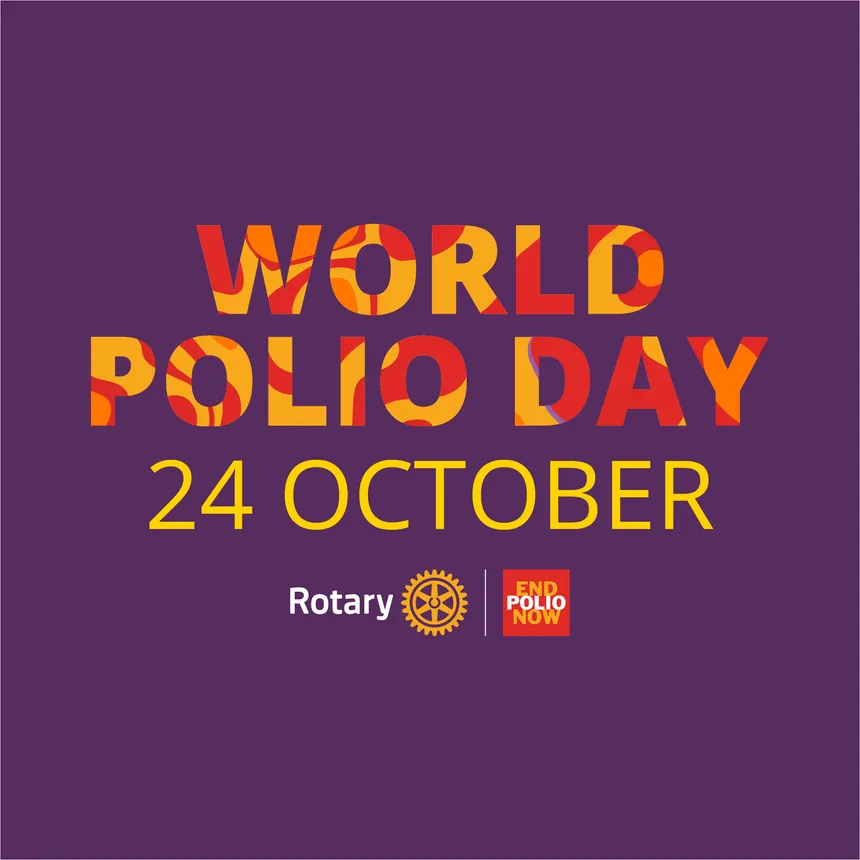
World Polio Day on October 24 commemorates the groundbreaking work of Dr. Jonas Salk, who developed the first effective polio vaccine. It symbolizes the global fight against a disease that can be prevented through simple measures such as vaccination, clean water, and good sanitation. Organizations such as Rotary International and the WHO have been working for decades to eradicate the disease globally.
Fecal-oral transmission: Why hygiene is crucial
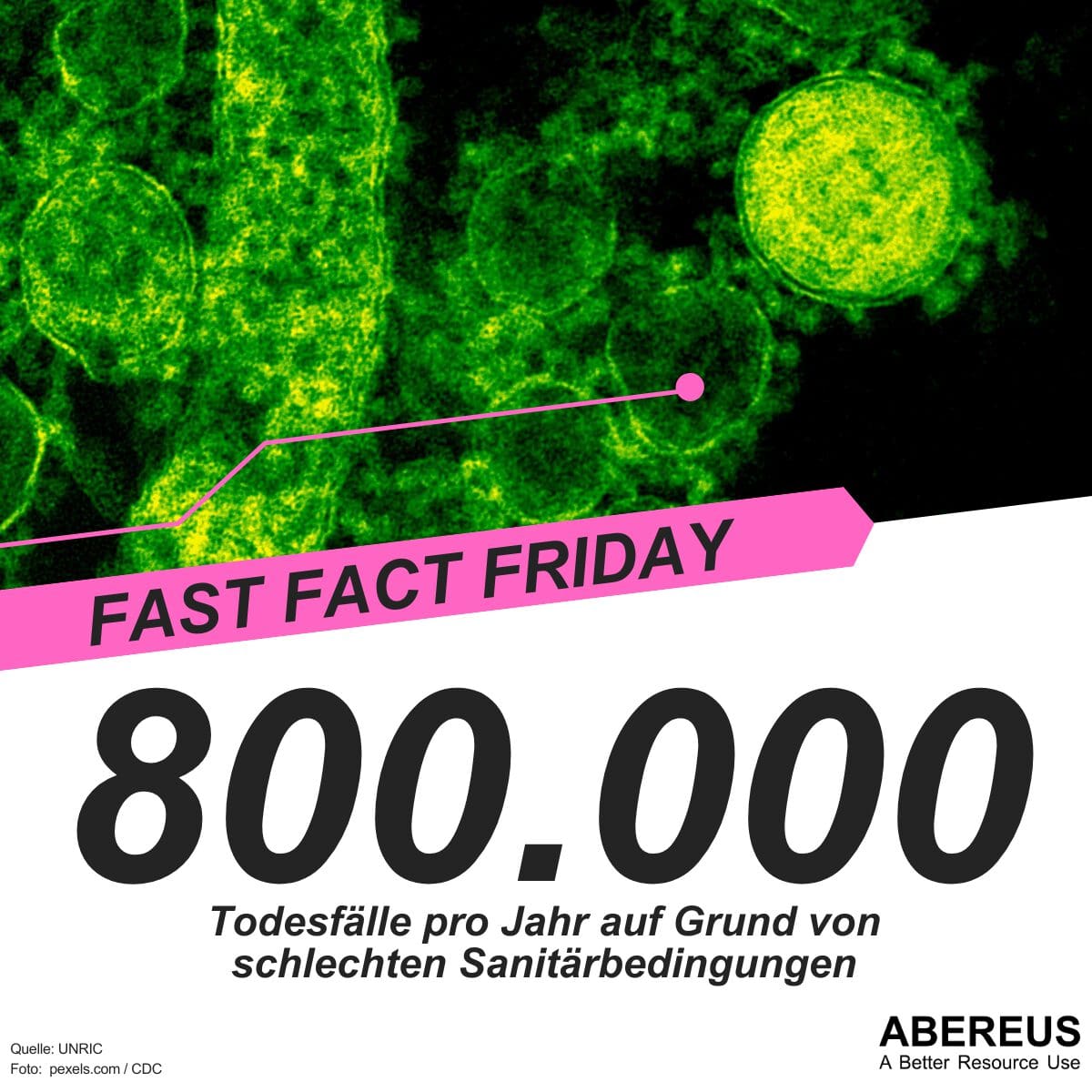
The poliovirus is mainly transmitted via the feces of infected individuals—often through contaminated water, unclean hands, or poorly maintained sanitation systems. Children under the age of five, whose immune systems are not yet fully developed, are particularly at risk. In densely populated areas without safe toilets or sewage disposal, the virus can spread rapidly.
This is why prevention is so important:
Vaccination provides reliable protection – even in regions with sporadic outbreaks.
Hygienic toilets and safe disposal prevent environmental contamination.
Education about hand washing and clean drinking water supplies greatly reduce the risk.
Why we must act – even in Europe
As long as polio exists anywhere in the world, the risk of its return remains real. Migration, climate change, and global mobility can bring the virus to supposedly safe regions. Building robust, environmentally sustainable sanitation systems not only contributes to health, but also to global justice.
Source: ABEREUS
Photo: https://www.endpolio.org/de/world-polio-day